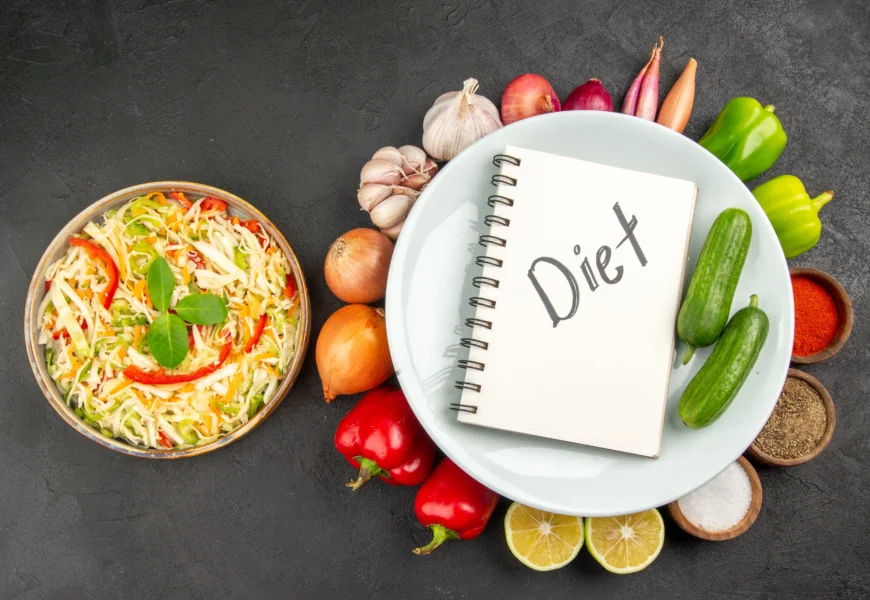
When it comes to digestive health making the right food choices can feel overwhelming For people with certain gut conditions like Crohn disease ulcerative colitis or after bowel surgery doctors often recommend a low residue diet But what does this mean in real life? In simple words a low residue diet is a way of eating that reduces the amount of undigested food passing through your intestines helping your gut rest and heal
In this article well break down everything you need to know about a low residue diet including what to eat what to avoid and practical tips to make this diet part of your daily life By the end you feel confident about making food choices that protect your digestive system
What Is a Low Residue Diet?
A low residue diet is designed to limit foods that leave behind a lot of waste also called residue in your colon Essentially it reduces fiber intake and focuses on easily digestible foods. This diet helps
- Minimize bowel movements
- Reduce cramping or bloating
- Prevent irritation in the digestive tract
For example after a surgery on the intestines your doctor may suggest following a low residue diet for a few weeks to help your body recover without stressing your gut
Foods to Eat on a Low Residue Diet
When starting a low residue diet it important to know which foods are safe and gentle on your digestive system Here’s a practical guide
- White bread white rice and refined pasta: These are low in fiber and easy to digest
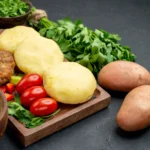
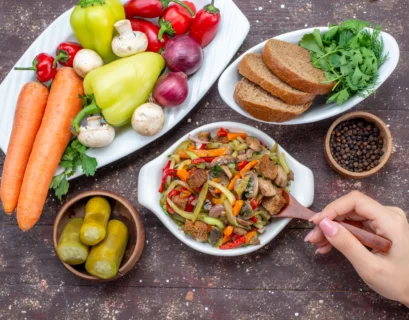
- Cooked vegetables without skins or seeds: Think carrots zucchini and pumpkin Cooking them softens the fibers
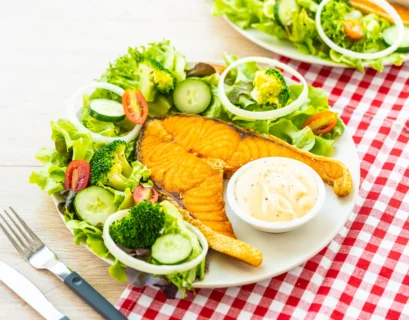
- Tender well cooked meats: Chicken turkey fish and eggs are perfect protein sources
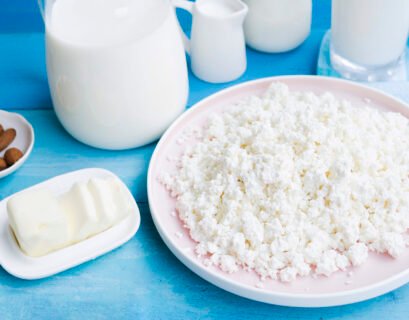
- Dairy in moderation: Milk cheese and yogurt are fine if you are not lactose intolerant
- Fruit without skins or seeds: Bananas applesauce and melon are safe options
- Smooth peanut butter: Avoid chunky types as they can be harder to digest
Anecdote
I remember a friend Sarah who was nervous about switching to a low residue diet after her surgery She thought she would be limited to bland foods But once she discovered that mashed potatoes soft bananas and tender chicken were allowed she realized the diet could be both satisfying and healing
Foods to Avoid on a Low Residue Diet
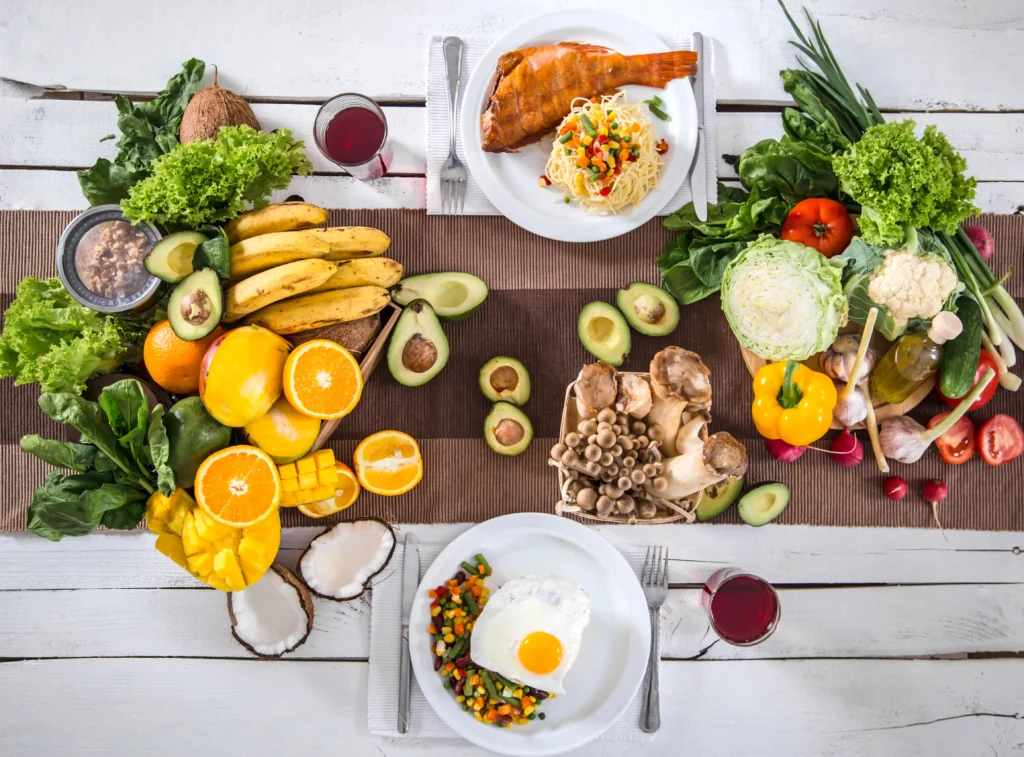
Just as important as knowing what to eat is knowing what to avoid Foods high in fiber seeds or tough skins can irritate your digestive system Avoid.
- Whole grains bran and cereals with nuts
- Raw vegetables and salads
- Fruits with skins or seeds like berries or grapes
- Nuts seeds and popcorn
- Beans and lentils
These foods can create residue in your colon defeating the purpose of the diet
Step-by-Step Guide to Starting a Low Residue Diet
Transitioning to a low residue diet can feel intimidating, but breaking it down step by step makes it manageable
Step 1: Plan Your Meals
Write a simple meal plan for a few days Include breakfast lunch dinner and snacks that are easy to digest For example
- Breakfast: Scrambled eggs with white toast
- Lunch: Chicken soup with soft vegetables
- Snack: Yogurt or applesauce
- Dinner: Baked fish with mashed potatoes
Step 2: Cook Foods Properly
Cooking can make foods easier on your digestive system Steaming boiling or baking vegetables and meats can reduce fiber content and improve digestibility
Step 3: Track Your Symptoms
Keep a small journal of your meals and how you feel afterward. This helps you notice which foods are comfortable and which may trigger discomfort
Step 4: Introduce Variety Slowly
Once your symptoms improve gradually add new foods back This helps your gut adjust without sudden irritation
Step 5: Stay Hydrated
Even on a low residue diet drinking water is crucial It prevents constipation and keeps your system running smoothly

Benefits of a Low Residue Diet
Following a low residue diet offers multiple benefits, especially if you have digestive issues
- Reduces diarrhea and frequent bowel movements
- Helps the gut heal after surgery or flare ups
- Reduces bloating cramps and discomfort
- Makes digestion simpler and more predictable
Many people notice an improvement in their overall quality of life once they adopt this diet It not just about avoiding certain foods it about giving your digestive system the chance to rest and recover
Making a Low Residue Diet Enjoyable
Switching to a low residue diet does not mean your meals need to be boring Here are some tips to keep your meals flavourful
- Use herbs and spices: Mild seasonings like parsley basil or thyme can enhance taste
- Try different cooking methods: Baking poaching or slow cooking can bring out natural flavour
- Blend foods: Smoothies or purees made with approved fruits and yogurt can be nutritious and easy to diges
- Experiment with textures: Mashed soft or tender foods can keep meals interesting
A Personal Story of Success
John a 45 year old software engineer struggled with frequent digestive flare ups After his doctor recommended a low residue diet he felt overwhelmed at first However by following a step-by-step plan he discovered many foods he enjoyed like creamy soups tender chicken and soft fruits while noticing a significant reduction in discomfort Today John not only follows the diet but also recommends a specific low residue diet guide that makes shopping and cooking easier His story is proof that this diet can be both practical and life-changing

Products That Make Following a Low Residue Diet Easier
One of the challenges of starting a low residue diet is knowing exactly what to eat without stress. Fortunately there are products designed specifically for people on this die These products include meal plans ready to eat soft foods and guides with recipes tailored for gut friendly nutrition
Using such a product ensures you follow the diet correctly and safely while saving time and effort in planning meals Imagine opening your kitchen to a system that gives you peace of mind and tasty options at the same time
Final Thoughts
A low residue diet is not just a temporary fix it a tool to help your digestive system recover prevent discomfort and enjoy meals with confidence By understanding what foods to eat how to prepare them and how to track your symptoms you can make this diet practical sustainable and even enjoyable
Whether you’re recovering from surgery managing a flare up or simply looking to ease your digestive symptoms a low residue diet can transform your everyday life Combine it with a trusted product designed for this diet and you have a complete solution that makes healthy eating simple safe and satisfying