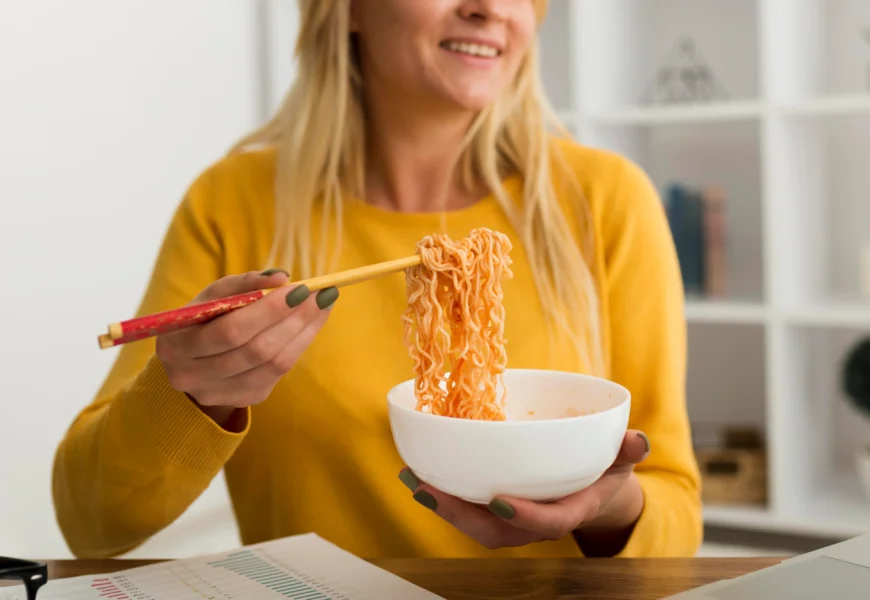
Ramen is one of those foods that almost everyone has tried at least once whether during late night study sessions busy workdays or lazy weekends when cooking a full meal feels impossible Yet many people still wonder about the real ramen nutrition fact details What exactly are we eating Is it healthy Should we feel guilty or enjoy it without worry
In this guide we break down every important ramen nutrition fact in the clearest and most practical way possible We also explore how to choose smarter options customize your bowl and enjoy ramen with confidence whether you love the classic instant version or prefer premium gourmet styles
By the end you know not only the truth behind every ramen nutrition fact but also how to make better choices for your lifestyle health goals and personal taste
Understanding the Basics: What Is Ramen Made Of?
Before diving into each ramen nutrition fact it helps to understand the main components of a typical bowl
Wheat noodles processed or fresh
Seasoning packet often the source of flavor and sodium
Oil packet (optional)
Toppings: veggies, meat, eggs, seaweed, corn
Broth – can be light, rich or creamy
Each part of the meal affects the overall ramen nutrition fact so what you choose truly matters
A Quick Anecdote: The Late Night Ramen Truth
Growing up I had a friend who swore that instant ramen was basically soup flavoured air Every exam week he would stack multiple ramen cups on his desk like trophies. One night our study group decided to actually check the label The shock on his face when he saw the calories carbs and sodium was unforgettable
That moment taught us that knowing the real ramen nutrition fact information doesn’t ruin ramen it helps us enjoy it more responsibly and even get creative with healthier additions

Breaking Down the Key Ramen Nutrition Facts (Simple & Clear)
Below is a simplified snapshot of what you typically find in one serving of instant ramen. Keep in mind amounts can vary depending on brand, flavor and portion size
Calories
Ramen usually ranges from 350 to 500 calories, depending on whether you use the full seasoning packet, add noodles only or include extra toppings
Carbohydrates
Most instant ramen bowls contain around 40 to 60 grams of carbs mainly from wheat-based noodles. This is why ramen gives you quick energy great for busy days when you need a fast meal
Protein
Instant noodles themselves contain only 6 to 10 grams of protein but adding eggs chicken tofu or shrimp can double or triple that number
Fat
With the oil packet the fat content usually lands between 12 to 20 grams Without added oil it can be much lower
Sodium
This is the part that surprises most people The seasoning packet alone can exceed 1,500 to 1,800 mg of sodium which may be more than half of your daily recommended intake
This is often the most talked about ramen nutrition fact and it’s exactly why making small modifications can make a big difference
Step-by-Step Guide: How to Make Your Ramen Healthier
Here is a simple guide you can follow every time you make ramen These steps will help you improve every key ramen nutrition fact while keeping the flavor intact
Step 1: Choose Your Base Wisely
Opt for
- Low-sodium ramen
- Air dried noodles instead of fried
- Whole grain or brown rice ramen
These choices lower calories sodium and unhealthy fats
Step 2: Reduce the Seasoning Packet
Use only half or mix in your own spices
- Garlic powder
- Chili flakes
- Ginger
- Sesame seeds
This instantly improves several ramen nutrition fact categories
Step 3: Add High Protein Ingredients
Try
- A boiled or poached egg
- Chicken breast
- Tofu
- Shrimp
Protein helps you stay full longer and balances your meal
Step 4: Load Up on Fresh Veggies
Add
- Spinach
- Cabbage
- Mushrooms
- Corn
- Carrots
Veggies increase fiber vitamins and minerals something every ramen nutrition fact chart needs more of
Step 5: Use a Better Broth
If possible replace half the seasoning packet with
- Chicken broth
- Vegetable broth
- Homemade broth
This adds flavor while reducing sodium
Why Ramen Is Still a Great Choice (When You Choose Smartly)
Even with concerns about sodium or carbs, ramen has benefits too Here are a few
Convenience
Few foods are faster to prepare You get a warm satisfying meal in minutes
Customization
Ramen is incredibly versatile You can make it light rich spicy or creamy You control the ingredients and can adapt every ramen nutrition fact to suit your needs
Budget Friendly
Getting a filling meal without spending much is a huge advantage, especially for students travelers, and busy workers
Comfort Food
Sometimes you just want a cozy bowl of noodles. And that’s perfectly okay
Why You Can Buy Ramen With Confidence
When you understand every ramen nutrition fact you can make decisions that work for your lifestyle Ramen isn’t something you must avoid its something you can enjoy smartly
Here why you should feel confident about buying ramen
- You now know how to adjust the seasoning
- You know how to add protein and veggies to balance nutrition
- You understand which brands and noodle types offer better ingredients
- You can use ramen as a foundation for healthier home cooked meals
In fact many premium ramen brands today focus on
- Air dried noodles
- Lower sodium
- Cleaner ingredients
- No preservatives
- Rich natural broths
These options make each ramen nutrition fact far more appealing than older instant versions
Buying a quality ramen product today is often comparable to purchasing a well rounded meal starter With just a few simple additions, you’re not buying junk food you are buying a versatile delicious customizable base for a complete dish
FAQS
How many calories are in chicken ramen?
Chicken ramen usually contains 350 to 450 calories, depending on brand portion size added oil vegetables and how much seasoning you use
Can ramen be made more nutritious?
Yes adding eggs vegetables lean protein and using half seasoning can improve nutrition making ramen more balanced and nourishing
Is instant ramen safe to eat regularly?
Yes it’s safe occasionally but reducing seasoning choosing better brands and adding fresh ingredients makes it healthier for frequent use
What is the main nutrition concern in ramen?
The biggest concern is sodium usually from seasoning packets but using less seasoning or homemade broth reduces overall intake significantly
Final Thoughts Understanding Ramen Makes It More Enjoyable
The real power of knowing the ramen nutrition fact details is that you can enjoy this beloved dish without doubt or guilt Whether you crave a quick snack or a full hearty meal ramen can fit perfectly into your routine when you prepare it mindfully
So go ahead pick up your favorite ramen with full confidence With your new understanding of each ramen nutrition fact you can turn a simple bowl of noodles into a balanced satisfying and nourishing experience